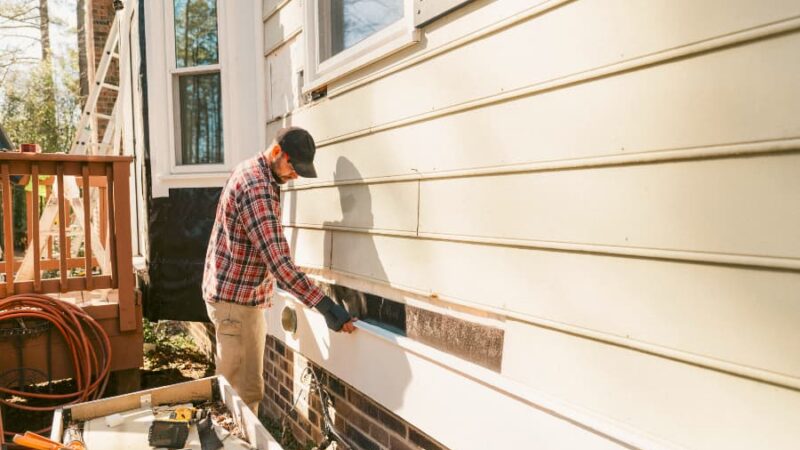
Siding is a major part of the protection of your home, but it must be installed properly to work effectively. Without professional installation, the ventilation and moisture control may be faulty and lead to mold and rot. At New Jersey Siding & Windows, Inc., we provide professional siding installation and replacement services for homeowners throughout New Jersey. Here, we explore how proper installation promotes effective siding ventilation and moisture control.
Key Takeaways
- Siding must be installed properly to provide ventilation and moisture control.
- If siding installation isn’t done correctly, it can lead to the formation of mold and wood rot.
- New Jersey Siding & Windows, Inc., provides professional siding installation for homeowners throughout New Jersey.
Why Siding Ventilation Matters for Moisture Control
Siding offers protection against the elements, but it’s not impervious to water intrusion. Rain and indoor humidity can result in moisture being present behind the siding. Therefore, when siding is installed, steps must be taken to ensure proper ventilation and moisture control.
This is typically achieved through installing weather-resistant barriers, such as rainscreens, vapor barriers or flashing, under the siding, depending on the product. These barriers allow for airflow and evaporation of moisture. Without it, moisture gets trapped, forming condensation behind the siding and damaging the structure of the home. It can also lead to mold and rot that result in further issues.
Common Installation Mistakes That Lead to Mold and Rot
If siding isn’t installed properly, mold and rot can form and affect the structural integrity of your house. Some common siding installation mistakes that result in mold and rot include:
- Poor flashing: Flashing is a thin, impermeable material that directs water away from critical joints, edges, and penetrations. If the flashing isn’t installed properly around windows, doors, and corners, water can penetrate the siding and lead to rot.
- Missing house wrap: House wrap provides a weather-resistant barrier (WRB) underneath siding to allow water vapor to escape. If the wrap is missing or not installed correctly, water gets trapped against the home’s structure, leading to mold and wood rot.
- Improper gaps: When siding, especially vinyl siding, is installed, it should have a gap that allows the siding to expand as it heats up. If there isn’t a sufficient gap, it can result in siding that buckles and allows for water infiltration. As water is trapped, mold and wood rot form.
Siding moisture problems typically start around windows and doors because of missing or improperly installed flashing and caulk. This lets water enter, leading to mold, rotten wood, and structural damage. Working with an experienced siding contractor is crucial to prevent these issues.
Warning Signs of Moisture Problems Behind Siding
If you’re not sure if your siding was properly installed, there are often signs to keep an eye out for that indicate improper installation and moisture problems behind siding. They include:
- Warping or buckling of siding panels
- Staining or rust spots on exterior walls and underneath windows
- Soft or spongy spots on exterior walls
Sometimes, the signs of moisture problems may show up inside your home rather than outside. They include peeling paint or wallpaper, musty odors inside the house, especially after rain, and water stains on interior walls.
What a Proper Siding Installation Should Include
To prevent moisture and rot from forming behind your siding, you need proper siding installation. High-quality siding installation should include:
- Wall preparation
- Drainage planes and water management tools, including flashing and water-resistive barriers
- Ventilation details, such as a rainscreen system
- Proper expansion gaps
When siding is installed properly, it helps to protect your New Jersey home for the long term.
Find Expert Siding Installation Near You in New Jersey
If you need high-quality, professional siding installation near you in New Jersey, turn to New Jersey Siding & Windows, Inc. We offer a wide range of home improvement services, including vinyl and composite siding installation, for homeowners in Morris, Sussex, Warren, Passaic, Bergen, Essex, Union, Middlesex, Somerset, and Hunterdon counties. To learn more about our siding installation process or how we achieve siding ventilation and moisture control, contact us today. We have service areas near you throughout New Jersey.
Siding Ventilation FAQ
Is ventilation required for all siding installations?
Yes, ventilation is required for all siding installations to prevent moisture buildup and the formation of mold and wood rot.
Why is moisture bad for siding?
Moisture is bad for siding because it can get trapped without proper moisture control systems, leading to mold and wood rot formation. They can impact the structural integrity of the home over time.
What effects can mold and rot have on my home?
Mold and rot lead to extensive damage to a home’s structural integrity, often resulting in wood decay, stains, musty smells, and damaged materials like drywall or carpeting. They can also negatively impact your home’s indoor air quality.
How can mold and rot behind siding be remedied?
To remedy mold and rot behind your siding, you need to identify and repair the moisture source, remove any damaged materials, and improve moisture barriers by adding house wrap, flashing, or rainscreens.
What is a drainage plane for siding?
A drainage plane is a water-resistant barrier that is installed behind the exterior siding. It helps control moisture by directing it downward and out of the wall system, acting as a secondary barrier.